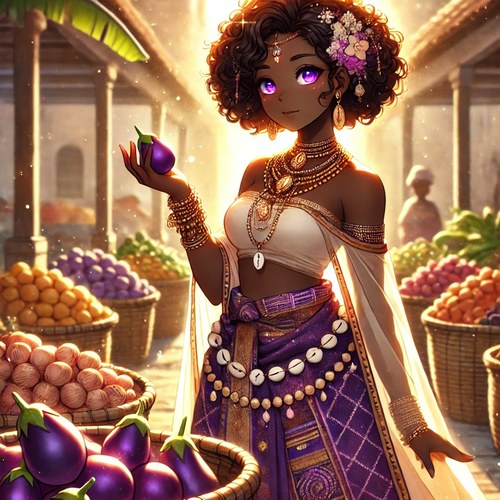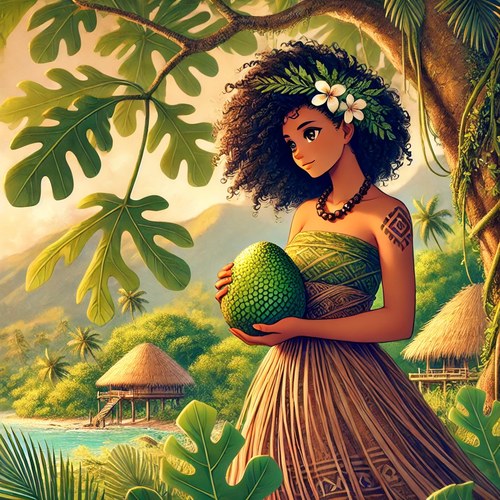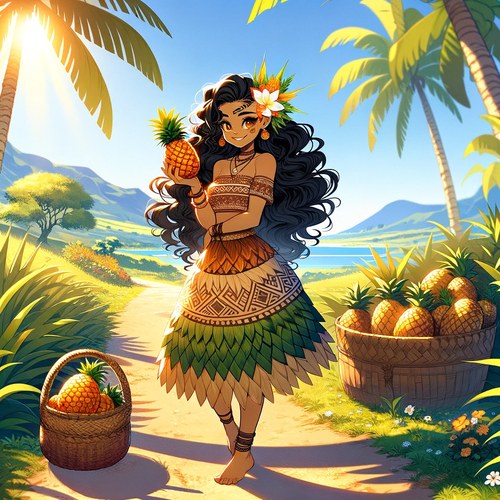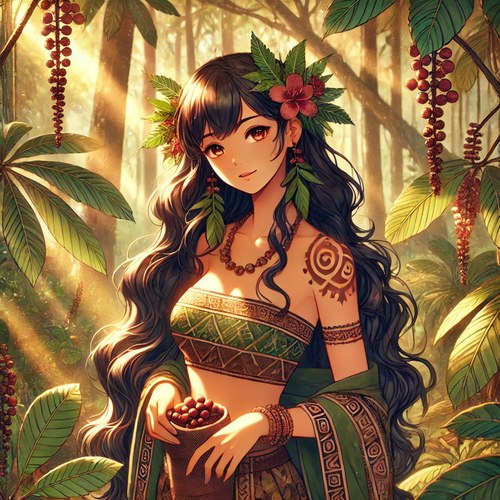
All 64 guardians

Search the collection

Every Guardian, every region, in one place. Search by character name, by crop, or by the place a story is anchored.

64 of 64 guardians

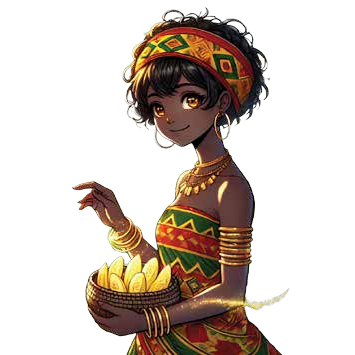
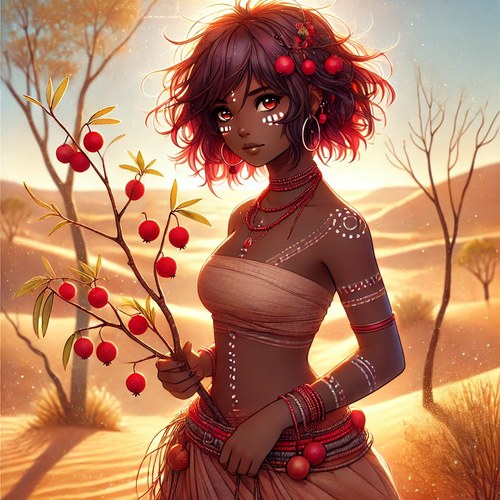
Watermelon — the crop Zahra guards
Watermelon Zahra Nubia / Ancient Egypt (Sudan, Egypt) ❋ Africa
Read story Hide story

Botanical vs. cultural: Botanical origin: northeastern African drylands/East Sahara. Cultural anchor: Nubian, Egyptian, and wider African water-storage and seed traditions.

Narrative: In the Demystifying Food Origins universe, Zahra appears in dry-season fields when Watermelon is ready to be gathered, cooked, stored, or remembered. Their path turns Watermelon into evidence of climate, care, and cultural decision-making.

Origin: Zahra's first scene begins with a tree canopy, a season of ripening, and the long memory of orchards or groves. The guardian is anchored in Nubia / Ancient Egypt (Sudan, Egypt), but the story keeps origin open enough to include migration, exchange, and local stewardship.

Notes: Watermelon stores water in fruit and seed. Its African dryland story is not just sweetness; it is hydration, mobility, and survival in hot landscapes.
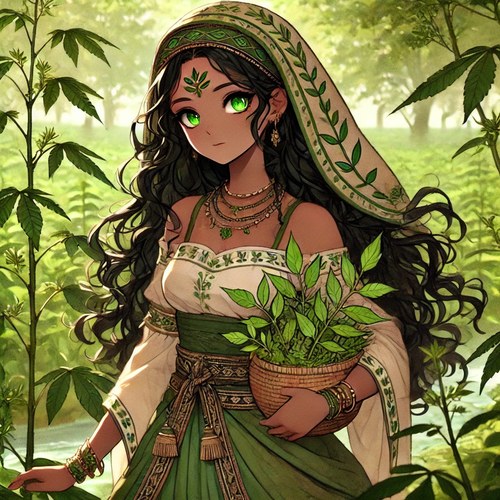
Okra Amina West Africa (Nigeria, Ghana, Benin) ❋ Africa
Read story Hide story

Botanical vs. cultural: Botanical framing requires care: Kew lists Abelmoschus esculentus as native to South Asia, while okra's West African and Atlantic-diaspora culinary history remains central to this character's cultural identity.

Narrative: Amina's story follows Okra through river corridors, where taste is inseparable from land use, season, and inherited technique. The guardian asks viewers to see Okra as an archive of choices made across generations.

Origin: For Amina, origin is not a single discovery moment. It is a chain of growers, cooks, seed keepers, and landscapes that made Okra meaningful in relation to West Africa (Nigeria, Ghana, Benin).

Notes: Okra's mucilage thickens soups and stews, making texture part of memory. The pod's movement through African, Caribbean, and Southern U.S. kitchens shows how plants travel with technique.

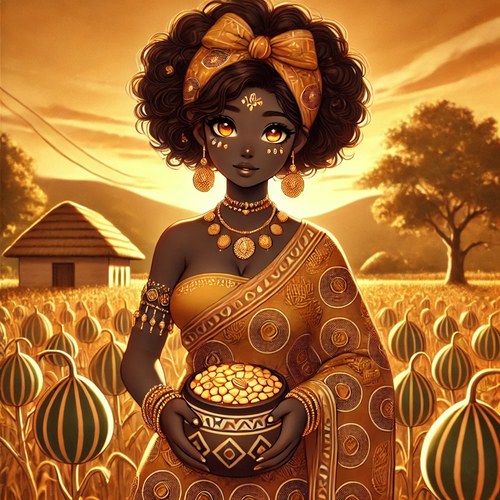
Egusi (Melon Seed) — the crop Nia guards
Egusi (Melon Seed) Nia West Africa (Nigeria, Ghana) ❋ Africa
Read story Hide story

Botanical vs. cultural: Egusi is a food category rather than a single botanical species; this entry centers West African seed selection, soup traditions, and household seed knowledge.

Narrative: When Egusi (Melon Seed) is planted or prepared, Nia listens for the older knowledge inside the work: soil, water, tools, labor, and memory. The narrative keeps Egusi (Melon Seed) connected to West Africa (Nigeria, Ghana) while naming the routes that carried it elsewhere.

Origin: Nia carries Egusi (Melon Seed) as a memory object: not a trophy, but a teaching tool. The story starts in West Africa (Nigeria, Ghana) and moves outward through preparation, seasonality, and care.

Notes: Egusi preserves food knowledge through seed. Grinding, roasting, storing, and stewing turn a small seed into a protein-rich architecture of West African cooking.

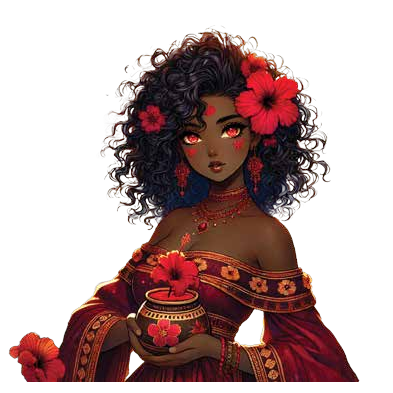
Imani — The Crimson Bloom of Vitality
Hibiscus Imani The Crimson Bloom of Vitality West & Central Africa (Sudan, Mali) Addendum · in review ❋ Africa
Read story Hide story

Botanical vs. cultural: Hibiscus sabdariffa probably originates from Africa, where it may have been domesticated in Sudan about 6,000 years ago, first for its seed and later for leaf and calyx production. Cultural anchor: African and Afro-diasporic drinks, dyes, and healing traditions. Botanical framing may vary by species, especially roselle and related hibiscus types.

Narrative: Imani enters the story at the moment when Hibiscus becomes more than an ingredient. In compound gardens, the crop is transformed into meal, medicine, trade good, ritual object, or survival strategy.

Origin: The origin scene for Imani is built around stewardship. Hibiscus appears through color, aroma, healing, dye, and drink-making, asking the viewer to read agriculture as a practiced relationship rather than a static map label.

Notes: Hibiscus carries color, tartness, cooling, and ceremony. Its calyces move easily between medicine, beverage, market, and celebration.

Tamarind Zola Tropical Africa (Sudan, Kenya, Nigeria) ❋ Africa
Read story Hide story

Botanical vs. cultural: Botanical origin is often framed within tropical Africa and nearby western Indian Ocean islands. Cultural anchor: tropical African agroforestry, medicine, shade, and exchange.

Narrative: Zola's route with Tamarind is not linear. Zola moves between cultivation, preservation, market exchange, and household teaching, revealing how Tamarind's origin is made through practice as much as geography.

Origin: Zola's story places Tamarind in conversation with Tropical Africa (Sudan, Kenya, Nigeria). Zola's task is to hold Tamarind's routes, uses, and caretakers together without collapsing them into one simplified origin claim.

Notes: Tamarind is a tree of shade and sourness. Its pulp balances stews, drinks, medicines, and trade, linking orchards to long-distance taste routes.

Fonio Tari West Africa (Guinea, Mali, Senegal) ❋ Africa
Read story Hide story

Botanical vs. cultural: Botanical/cultural frame: West African domestication and Sahelian dryland grain systems; this entry aligns origin with cultural anchor.

Narrative: In the Demystifying Food Origins universe, Tari appears in grain paths when Fonio is ready to be gathered, cooked, stored, or remembered. Their path turns Fonio into evidence of climate, care, and cultural decision-making.

Origin: Tari's first scene begins with seed selection, storage, grinding, and the calendar of planting and harvest. The guardian is anchored in West Africa (Guinea, Mali, Senegal), but the story keeps origin open enough to include migration, exchange, and local stewardship.

Notes: Fonio matures quickly and tolerates difficult soils, making it a grain of patience and urgency at once. It is often framed as an old crop with future climate relevance.

Baobab Fruit Kesi Sahel Region (Senegal, Mali, Sudan) ❋ Africa
Read story Hide story

Botanical vs. cultural: Botanical/cultural frame: African dryland tree ecologies, especially the Sahel and savanna belts, where fruit, leaves, bark, and shade hold social value.

Narrative: Kesi's story follows Baobab Fruit through dry-season fields, where taste is inseparable from land use, season, and inherited technique. The guardian asks viewers to see Baobab Fruit as an archive of choices made across generations.

Origin: For Kesi, origin is not a single discovery moment. It is a chain of growers, cooks, seed keepers, and landscapes that made Baobab Fruit meaningful in relation to Sahel Region (Senegal, Mali, Sudan).

Notes: Baobab refuses the scale of ordinary crops. It is tree, pantry, landmark, and gathering place, with fruit pulp, leaves, and bark carrying different forms of value.

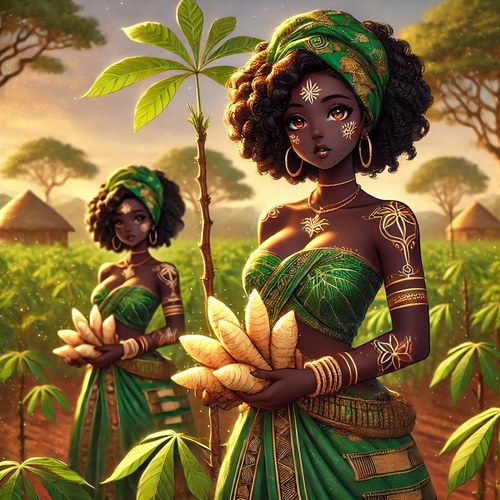
Cassava — the crop Amara guards
Cassava Amara Central & West Africa (Angola, Congo, Nigeria) ❋ Africa
Read story Hide story

Botanical vs. cultural: For Amara in Africa, cassava is botanically rooted in western South America to Brazil; this entry centers Central and West African adaptation, processing, and staple-food knowledge after Atlantic-era crop movement.

Narrative: When Cassava is planted or prepared, Amara listens for the older knowledge inside the work: soil, water, tools, labor, and memory. The narrative keeps Cassava connected to Central & West Africa (Angola, Congo, Nigeria) while naming the routes that carried it elsewhere.

Origin: Amara carries Cassava as a memory object: not a trophy, but a teaching tool. The story starts in Central & West Africa (Angola, Congo, Nigeria) and moves outward through preparation, seasonality, and care.

Notes: Cassava in this African entry is a story of adaptation: processing knowledge, starch security, and the transformation of an American root into Central and West African food systems.

Tarika — The Banana Guardian of the Great Lakes
Banana Tarika The Banana Guardian of the Great Lakes Great Lakes Kingdoms (Buganda, Rwanda, Congo, Tanzania, Kenya) Addendum · in review ❋ Africa
Read story Hide story

Botanical vs. cultural: Cultural anchor: the Great Lakes kingdoms of East Africa, where banana cultivation underwrote settlement, statecraft, and daily food security. Botanical origin lies in island Southeast Asia; this entry centers the East African cultivation systems that made the crop a staple over two millennia.

Narrative: Tarika appears where the groves are tended rather than harvested once — in the banana gardens whose upkeep is continuous and whose yield is measured in generations. Their path turns Banana into evidence of settlement, labor, and the long administration of a cultivated landscape.

Origin: Bananas have been cultivated in East Africa for over 2,000 years, sustaining the Buganda Kingdom and Great Lakes civilizations. Tarika holds that span: not a moment of introduction but twenty centuries of selection, propagation, and care that turned a transplanted crop into the ground a civilization stood on.

Notes: The banana grove is infrastructure. Perennial, propagated by sucker rather than seed, and productive year-round, it allowed dense settlement where annual grain could not — which is why the Great Lakes kingdoms grew where they did.

Celosia (African Spinach) — the crop Eshe guards
Celosia (African Spinach) Eshe West Africa (Nigeria, Ghana, Benin) ❋ Africa
Read story Hide story

Botanical vs. cultural: Cultural anchor: West African vegetable gardens and stew traditions. Botanical framing should remain species-aware because celosia includes several cultivated leafy forms.

Narrative: Eshe enters the story at the moment when Celosia (African Spinach) becomes more than an ingredient. In savanna markets, the crop is transformed into meal, medicine, trade good, ritual object, or survival strategy.

Origin: The origin scene for Eshe is built around stewardship. Celosia (African Spinach) appears through garden leaves, cooking technique, medicine, and the hand-to-hand movement of everyday food knowledge, asking the viewer to read agriculture as a practiced relationship rather than a static map label.

Notes: Celosia keeps leafy-green knowledge visible: market bunches, garden plots, seed saving, and stews where vegetables carry both nutrition and identity.

Jute Leaf (Ewedu) — the crop Sade guards
Jute Leaf (Ewedu) Sade West Africa (Nigeria, Senegal) ❋ Africa
Read story Hide story

Botanical vs. cultural: Cultural anchor: West African leaf-sauce traditions and everyday market gardens. Botanical origin varies by Corchorus species, so this entry emphasizes foodway continuity.

Narrative: Sade's route with Jute Leaf (Ewedu) is not linear. Sade moves between cultivation, preservation, market exchange, and household teaching, revealing how Jute Leaf (Ewedu)'s origin is made through practice as much as geography.

Origin: Sade's story places Jute Leaf (Ewedu) in conversation with West Africa (Nigeria, Senegal). Sade's task is to hold Jute Leaf (Ewedu)'s routes, uses, and caretakers together without collapsing them into one simplified origin claim.

Notes: Jute leaf is valued for more than flavor. Its slippery texture is a culinary technology, shaping soups, sauces, and shared standards of comfort.

Bambara Groundnut Zuri West Africa (Ghana, Mali, Nigeria) ❋ Africa
Read story Hide story

Botanical vs. cultural: Botanical origin: northeastern Nigeria to South Sudan, with West African cultivation and naming histories central to this entry.

Narrative: In the Demystifying Food Origins universe, Zuri appears in tree groves when Bambara Groundnut is ready to be gathered, cooked, stored, or remembered. Their path turns Bambara Groundnut into evidence of climate, care, and cultural decision-making.

Origin: Zuri's first scene begins with a tree canopy, a season of ripening, and the long memory of orchards or groves. The guardian is anchored in West Africa (Ghana, Mali, Nigeria), but the story keeps origin open enough to include migration, exchange, and local stewardship.

Notes: Bambara groundnut matures underground and supports soil fertility. It is a legume of subsistence, dryland resilience, and often women-centered cultivation.

African Yam — the crop Oba guards
African Yam Oba West Africa (Nigeria, Benin, Togo) ❋ Africa
Read story Hide story

Botanical vs. cultural: Botanical/cultural frame: West African yam systems, especially white Guinea yam and related Dioscorea traditions of storage, ceremony, and seasonal labor.

Narrative: Oba's story follows African Yam through grain paths, where taste is inseparable from land use, season, and inherited technique. The guardian asks viewers to see African Yam as an archive of choices made across generations.

Origin: For Oba, origin is not a single discovery moment. It is a chain of growers, cooks, seed keepers, and landscapes that made African Yam meaningful in relation to West Africa (Nigeria, Benin, Togo).

Notes: Yam is labor, storage, status, and season. In many West African contexts, the first yam marks a social calendar as much as an agricultural one.

Shea Fruit Nyah West Africa (Mali, Ghana, Burkina Faso) ❋ Africa
Read story Hide story

Botanical vs. cultural: Botanical/cultural frame: African savanna belt tree systems; this entry emphasizes women-led processing, fruit use, and shea-nut economies.

Narrative: When Shea Fruit is planted or prepared, Nyah listens for the older knowledge inside the work: soil, water, tools, labor, and memory. The narrative keeps Shea Fruit connected to West Africa (Mali, Ghana, Burkina Faso) while naming the routes that carried it elsewhere.

Origin: Nyah carries Shea Fruit as a memory object: not a trophy, but a teaching tool. The story starts in West Africa (Mali, Ghana, Burkina Faso) and moves outward through preparation, seasonality, and care.

Notes: Shea links food and economy: fruit can be eaten, nuts can be processed, and butter can support medicine, cosmetics, cooking, and trade.

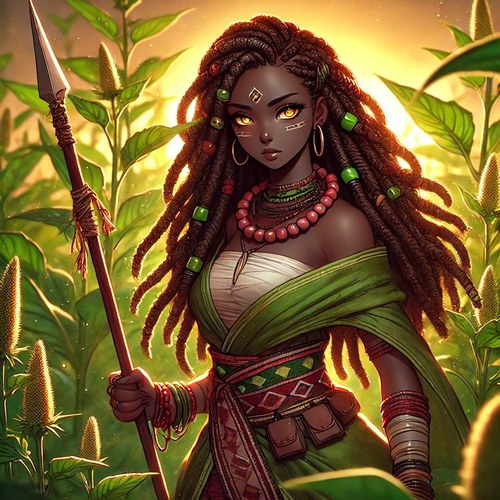
Sorghum Tafari East Africa & Sahel (Ethiopia, Sudan, Chad) ❋ Africa
Read story Hide story

Botanical vs. cultural: Botanical/cultural frame: African dryland grain systems across northeastern Africa and the Sahel; this entry aligns drought tolerance with food security.

Narrative: Tafari enters the story at the moment when Sorghum becomes more than an ingredient. In river corridors, the crop is transformed into meal, medicine, trade good, ritual object, or survival strategy.

Origin: The origin scene for Tafari is built around stewardship. Sorghum appears through seed selection, storage, grinding, and the calendar of planting and harvest, asking the viewer to read agriculture as a practiced relationship rather than a static map label.

Notes: Sorghum bends toward drought rather than away from it. Its grain, stalks, fodder, and beverages show how one crop can serve many household needs.

Guava Marisol Indigenous to Caribbean & Central America ✦ The Caribbean
Read story Hide story

Botanical vs. cultural: Botanical origin: tropical Americas. Cultural anchor: Caribbean and Central American orchards, preserves, fresh eating, and medicinal home use.

Narrative: Marisol's route with Guava is not linear. Marisol moves between cultivation, preservation, market exchange, and household teaching, revealing how Guava's origin is made through practice as much as geography.

Origin: Marisol's story places Guava in conversation with Indigenous to Caribbean & Central America. Marisol's task is to hold Guava's routes, uses, and caretakers together without collapsing them into one simplified origin claim.

Notes: Guava grows close to home: eaten fresh, preserved as paste or jelly, and used in folk medicine. It is orchard food with street-market memory.

Soursop Calista Indigenous to the Caribbean & Amazon Basin ✦ The Caribbean
Read story Hide story

Botanical vs. cultural: Botanical/cultural frame: tropical American fruit traditions across the Caribbean and Amazonian regions; this entry aligns origin and island use.

Narrative: In the Demystifying Food Origins universe, Calista appears in festival kitchens when Soursop is ready to be gathered, cooked, stored, or remembered. Their path turns Soursop into evidence of climate, care, and cultural decision-making.

Origin: Calista's first scene begins with a tree canopy, a season of ripening, and the long memory of orchards or groves. The guardian is anchored in Indigenous to the Caribbean & Amazon Basin, but the story keeps origin open enough to include migration, exchange, and local stewardship.

Notes: Soursop's soft flesh and aromatic leaves anchor juices, sweets, and remedies. Its story is botanical abundance filtered through island household practice.

Scotch Bonnet Pepper Amaya Caribbean Islands (Jamaica, Trinidad, Haiti) ✦ The Caribbean
Read story Hide story

Botanical vs. cultural: Botanical ancestry: Capsicum peppers are American crops; Scotch bonnet is a Caribbean cultivar identity shaped through island seed selection, heat, flavor, and preservation.

Narrative: Amaya's story follows Scotch Bonnet Pepper through storm-tested orchards, where taste is inseparable from land use, season, and inherited technique. The guardian asks viewers to see Scotch Bonnet Pepper as an archive of choices made across generations.

Origin: For Amaya, origin is not a single discovery moment. It is a chain of growers, cooks, seed keepers, and landscapes that made Scotch Bonnet Pepper meaningful in relation to Caribbean Islands (Jamaica, Trinidad, Haiti).

Notes: Scotch bonnet is flavor architecture: heat, fruitiness, fermentation, preservation, and identity in one small pepper.

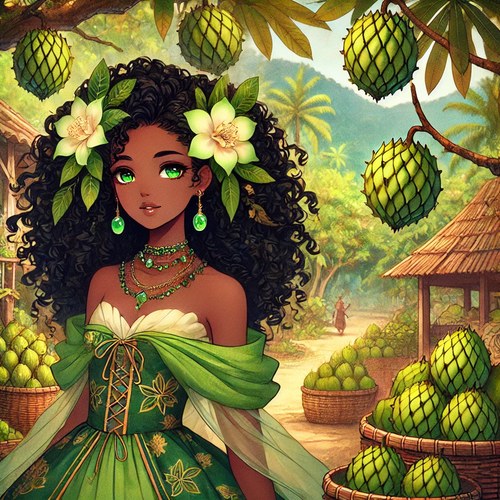
Sugar Apple Isla Caribbean (Barbados, Jamaica, Cuba) ✦ The Caribbean
Read story Hide story

Botanical vs. cultural: Botanical/cultural frame: tropical American and Caribbean fruit systems; this entry emphasizes home gardens, markets, and sweet seasonal fruit.

Narrative: When Sugar Apple is planted or prepared, Isla listens for the older knowledge inside the work: soil, water, tools, labor, and memory. The narrative keeps Sugar Apple connected to Caribbean (Barbados, Jamaica, Cuba) while naming the routes that carried it elsewhere.

Origin: Isla carries Sugar Apple as a memory object: not a trophy, but a teaching tool. The story starts in Caribbean (Barbados, Jamaica, Cuba) and moves outward through preparation, seasonality, and care.

Notes: Sugar apple is a hand-held fruit of patience. Its segmented flesh asks the eater to slow down and remember seasonality.

Ackee Xiomara West Africa, brought to Jamaica ✦ The Caribbean
Read story Hide story

Botanical vs. cultural: Botanical origin: West and west-central tropical Africa. Cultural significance: Jamaican and wider Caribbean identity formed through Atlantic migration, coercion, and adaptation.

Narrative: Xiomara enters the story at the moment when Ackee becomes more than an ingredient. In yard gardens, the crop is transformed into meal, medicine, trade good, ritual object, or survival strategy.

Origin: The origin scene for Xiomara is built around stewardship. Ackee appears through a tree canopy, a season of ripening, and the long memory of orchards or groves, asking the viewer to read agriculture as a practiced relationship rather than a static map label.

Notes: Ackee must be known before it is eaten. Ripeness, opening, cleaning, and cooking turn safety into inherited expertise.

Breadfruit — the crop Nerissa guards
Breadfruit Nerissa Polynesia, introduced to the Caribbean ✦ The Caribbean
Read story Hide story

Botanical vs. cultural: For Nerissa in the Caribbean, breadfruit is botanically tied to the Pacific/Malesian-New Guinea breadfruit complex; the cultural story centers colonial-era transplantation and later island adaptation as a major starch.

Narrative: Nerissa's route with Breadfruit is not linear. Nerissa moves between cultivation, preservation, market exchange, and household teaching, revealing how Breadfruit's origin is made through practice as much as geography.

Origin: Nerissa's story places Breadfruit in conversation with Polynesia, introduced to the Caribbean. Nerissa's task is to hold Breadfruit's routes, uses, and caretakers together without collapsing them into one simplified origin claim.

Notes: Breadfruit in the Caribbean carries the politics of colonial transplantation, then island adaptation through roasting, boiling, frying, and everyday starch use.

Callaloo (Taro Leaves) — the crop Celeste guards
Callaloo (Taro Leaves) Celeste Caribbean (Jamaica, Haiti, St. Vincent) ✦ The Caribbean
Read story Hide story

Botanical vs. cultural: Botanical note: taro is rooted in Asian/Pacific crop histories; Caribbean callaloo is a dish and leafy-green category shaped by African, Indigenous, and South Asian foodways.

Narrative: In the Demystifying Food Origins universe, Celeste appears in mountain farms when Callaloo (Taro Leaves) is ready to be gathered, cooked, stored, or remembered. Their path turns Callaloo (Taro Leaves) into evidence of climate, care, and cultural decision-making.

Origin: Celeste's first scene begins with soil, careful processing, and the patient work of turning underground food into community sustenance. The guardian is anchored in Caribbean (Jamaica, Haiti, St. Vincent), but the story keeps origin open enough to include migration, exchange, and local stewardship.

Notes: Callaloo is both plant and dish-language. It holds the meeting of leafy greens, African technique, Indigenous landscapes, and Caribbean improvisation.

Mammee Apple Solana Caribbean & Northern South America ✦ The Caribbean
Read story Hide story

Botanical vs. cultural: Botanical/cultural frame: Caribbean and northern South American tree-crop traditions; this entry aligns origin and cultural use.

Narrative: Solana's story follows Mammee Apple through festival kitchens, where taste is inseparable from land use, season, and inherited technique. The guardian asks viewers to see Mammee Apple as an archive of choices made across generations.

Origin: For Solana, origin is not a single discovery moment. It is a chain of growers, cooks, seed keepers, and landscapes that made Mammee Apple meaningful in relation to Caribbean & Northern South America.

Notes: Mammee apple carries the weight of old orchards. Its dense fruit supports preserves, desserts, and market traditions connected to Caribbean tree crops.

Cassava — the crop Luz guards
Cassava Luz Caribbean (Haiti, Dominican Republic, Puerto Rico) ✦ The Caribbean
Read story Hide story

Botanical vs. cultural: For Luz in the Caribbean, cassava is botanically rooted in western South America to Brazil; this entry centers Indigenous Caribbean continuities, Afro-Caribbean preparation, and island root-crop resilience.

Narrative: When Cassava is planted or prepared, Luz listens for the older knowledge inside the work: soil, water, tools, labor, and memory. The narrative keeps Cassava connected to Caribbean (Haiti, Dominican Republic, Puerto Rico) while naming the routes that carried it elsewhere.

Origin: Luz carries Cassava as a memory object: not a trophy, but a teaching tool. The story starts in Caribbean (Haiti, Dominican Republic, Puerto Rico) and moves outward through preparation, seasonality, and care.

Notes: Cassava in this Caribbean entry points to Indigenous continuity, grating, pressing, baking, and the survival value of root crops across island foodways.

Pigeon Peas Naomi Caribbean (Jamaica, Trinidad, Barbados) ✦ The Caribbean
Read story Hide story

Botanical vs. cultural: Botanical origin: Indian Subcontinent. Cultural significance: Caribbean rice dishes, soups, seasonal meals, and Afro-Caribbean/Indo-Caribbean foodways.

Narrative: Naomi enters the story at the moment when Pigeon Peas becomes more than an ingredient. In salt-air roads, the crop is transformed into meal, medicine, trade good, ritual object, or survival strategy.

Origin: The origin scene for Naomi is built around stewardship. Pigeon Peas appears through a tree canopy, a season of ripening, and the long memory of orchards or groves, asking the viewer to read agriculture as a practiced relationship rather than a static map label.

Notes: Pigeon peas feed soil and people. Fresh or dried, they turn rice, soups, and seasonal meals into nitrogen-fixing food memory.

Tomato Xochitl Mesoamerica (Mexico, Guatemala) ◈ South America & Mesoamerica
Read story Hide story

Botanical vs. cultural: Botanical ancestry: western South America; domestication and culinary transformation are strongly tied to Mesoamerica.

Narrative: Xochitl's route with Tomato is not linear. Xochitl moves between cultivation, preservation, market exchange, and household teaching, revealing how Tomato's origin is made through practice as much as geography.

Origin: Xochitl's story places Tomato in conversation with Mesoamerica (Mexico, Guatemala). Xochitl's task is to hold Tomato's routes, uses, and caretakers together without collapsing them into one simplified origin claim.

Notes: Tomato's global fame can obscure its Indigenous American roots. This entry keeps the crop tied to local domestication before worldwide adoption.

Maize (Corn) Itzel Mesoamerica (Mexico, Guatemala) ◈ South America & Mesoamerica
Read story Hide story

Botanical vs. cultural: Botanical/cultural frame: Mesoamerican domestication; this entry aligns origin with Indigenous agriculture, cosmology, and food engineering.

Narrative: In the Demystifying Food Origins universe, Itzel appears in forest edges when Maize (Corn) is ready to be gathered, cooked, stored, or remembered. Their path turns Maize (Corn) into evidence of climate, care, and cultural decision-making.

Origin: Itzel's first scene begins with seed selection, storage, grinding, and the calendar of planting and harvest. The guardian is anchored in Mesoamerica (Mexico, Guatemala), but the story keeps origin open enough to include migration, exchange, and local stewardship.

Notes: Maize is agricultural design: seed selection, companion planting, storage, grinding, nixtamalization, and cosmology braided into one crop.

Pineapple — the crop Nayara guards
Pineapple Nayara South America (Paraguay, Brazil) ◈ South America & Mesoamerica
Read story Hide story

Botanical vs. cultural: Botanical/cultural frame: tropical South America; this entry centers Indigenous cultivation and later global movement.

Narrative: Nayara's story follows Pineapple through highland terraces, where taste is inseparable from land use, season, and inherited technique. The guardian asks viewers to see Pineapple as an archive of choices made across generations.

Origin: For Nayara, origin is not a single discovery moment. It is a chain of growers, cooks, seed keepers, and landscapes that made Pineapple meaningful in relation to South America (Paraguay, Brazil).

Notes: Pineapple holds Indigenous American cultivation and later colonial spectacle in the same fruit. Its sweetness should not erase its agricultural origins.

Cacao (Chocolate) Yara Amazon Basin (Ecuador, Peru, Brazil) ◈ South America & Mesoamerica
Read story Hide story

Botanical vs. cultural: Botanical origin: tropical Americas, especially Amazonian lineages; cultural significance includes Indigenous ritual, exchange, medicine, and later global chocolate economies.

Narrative: When Cacao (Chocolate) is planted or prepared, Yara listens for the older knowledge inside the work: soil, water, tools, labor, and memory. The narrative keeps Cacao (Chocolate) connected to Amazon Basin (Ecuador, Peru, Brazil) while naming the routes that carried it elsewhere.

Origin: Yara carries Cacao (Chocolate) as a memory object: not a trophy, but a teaching tool. The story starts in Amazon Basin (Ecuador, Peru, Brazil) and moves outward through preparation, seasonality, and care.

Notes: Cacao is not simply chocolate. It is forest tree, fermented seed, ritual drink, labor history, currency, medicine, and global commodity.

Quinoa Ama Andean Region (Peru, Bolivia, Ecuador) ◈ South America & Mesoamerica
Read story Hide story

Botanical vs. cultural: Botanical/cultural frame: Andean highland agriculture; this entry aligns origin with altitude adaptation, resilience, and nutrition.

Narrative: Ama enters the story at the moment when Quinoa becomes more than an ingredient. In river gardens, the crop is transformed into meal, medicine, trade good, ritual object, or survival strategy.

Origin: The origin scene for Ama is built around stewardship. Quinoa appears through seed selection, storage, grinding, and the calendar of planting and harvest, asking the viewer to read agriculture as a practiced relationship rather than a static map label.

Notes: Quinoa is a highland survivor. It adapts to altitude, salinity, and cold nights while carrying Andean knowledge into contemporary food debates.

Avocado Maya Mesoamerica (Mexico, Guatemala) ◈ South America & Mesoamerica
Read story Hide story

Botanical vs. cultural: Botanical/cultural frame: Mesoamerican cultivation and tree-crop selection; this entry aligns origin and cultural anchor.

Narrative: Maya's route with Avocado is not linear. Maya moves between cultivation, preservation, market exchange, and household teaching, revealing how Avocado's origin is made through practice as much as geography.

Origin: Maya's story places Avocado in conversation with Mesoamerica (Mexico, Guatemala). Maya's task is to hold Avocado's routes, uses, and caretakers together without collapsing them into one simplified origin claim.

Notes: Avocado is tree selection over generations. Its creamy flesh records Indigenous horticulture before modern branding transformed it into a global commodity.

Cassava — the crop Luna guards
Cassava Luna South America (Brazil, Venezuela, Colombia) ◈ South America & Mesoamerica
Read story Hide story

Botanical vs. cultural: For Luna in South America and Mesoamerica, cassava/yuca/manioc remains closest to its Indigenous American botanical and agricultural context, rooted in western South America to Brazil.

Narrative: In the Demystifying Food Origins universe, Luna appears in milpa fields when Cassava is ready to be gathered, cooked, stored, or remembered. Their path turns Cassava into evidence of climate, care, and cultural decision-making.

Origin: Luna's first scene begins with soil, careful processing, and the patient work of turning underground food into community sustenance. The guardian is anchored in South America (Brazil, Venezuela, Colombia), but the story keeps origin open enough to include migration, exchange, and local stewardship.

Notes: Cassava in this South American entry emphasizes domestication, detoxification, flour, bread, and the agricultural intelligence of yuca/manioc processing.

Papaya Camila South America (Brazil, Paraguay, Colombia) ◈ South America & Mesoamerica
Read story Hide story

Botanical vs. cultural: Botanical framing spans tropical America; this entry treats South America as the regional story anchor while noting broader American cultivation histories.

Narrative: Camila's story follows Papaya through forest edges, where taste is inseparable from land use, season, and inherited technique. The guardian asks viewers to see Papaya as an archive of choices made across generations.

Origin: For Camila, origin is not a single discovery moment. It is a chain of growers, cooks, seed keepers, and landscapes that made Papaya meaningful in relation to South America (Brazil, Paraguay, Colombia).

Notes: Papaya links sweetness and digestion. Its fruit, seeds, latex, and leaves have been read through medicine, household gardens, and tropical orchards.

Passion Fruit Valeria South America (Peru, Brazil, Argentina) ◈ South America & Mesoamerica
Read story Hide story

Botanical vs. cultural: Botanical/cultural frame: South American vine crop histories; this entry aligns origin with garden, mission, market, and medicinal movement.

Narrative: When Passion Fruit is planted or prepared, Valeria listens for the older knowledge inside the work: soil, water, tools, labor, and memory. The narrative keeps Passion Fruit connected to South America (Peru, Brazil, Argentina) while naming the routes that carried it elsewhere.

Origin: Valeria carries Passion Fruit as a memory object: not a trophy, but a teaching tool. The story starts in South America (Peru, Brazil, Argentina) and moves outward through preparation, seasonality, and care.

Notes: Passion fruit is a vine of movement: trellis, flower, pulp, mission naming, and market circulation all shape its story.

Blueberry Wyanet North America (Canada, USA) ❉ Indigenous North America
Read story Hide story

Botanical vs. cultural: Botanical/cultural frame: North American Vaccinium berry traditions; this entry aligns origin with Indigenous harvesting, drying, and preservation.

Narrative: Wyanet enters the story at the moment when Blueberry becomes more than an ingredient. In seasonal trails, the crop is transformed into meal, medicine, trade good, ritual object, or survival strategy.

Origin: The origin scene for Wyanet is built around stewardship. Blueberry appears through a brief harvest window, a basket, and the knowledge of where the fruit returns each season, asking the viewer to read agriculture as a practiced relationship rather than a static map label.

Notes: Blueberry belongs to acidic soils and seasonal gathering. Drying and preservation made the fruit mobile long before commercial cultivation.

Cranberry Ayasha North America (Great Lakes, USA, Canada) ❉ Indigenous North America
Read story Hide story

Botanical vs. cultural: Botanical/cultural frame: North American acidic wetland ecologies; this entry aligns origin with Indigenous food, medicine, and trade.

Narrative: Ayasha's route with Cranberry is not linear. Ayasha moves between cultivation, preservation, market exchange, and household teaching, revealing how Cranberry's origin is made through practice as much as geography.

Origin: Ayasha's story places Cranberry in conversation with North America (Great Lakes, USA, Canada). Ayasha's task is to hold Cranberry's routes, uses, and caretakers together without collapsing them into one simplified origin claim.

Notes: Cranberry is wetland food. Its tartness, floating harvest, and long storage life make it a crop of water, acidity, and preservation.

Wild Rice — the crop Nokomis guards
Wild Rice Nokomis Great Lakes & Upper Midwest (USA, Canada) ❉ Indigenous North America
Read story Hide story

Botanical vs. cultural: Botanical/cultural frame: Great Lakes aquatic grain systems; this is not industrial rice but manoomin/wild rice harvested through ecological practice.

Narrative: In the Demystifying Food Origins universe, Nokomis appears in seed bundles when Wild Rice is ready to be gathered, cooked, stored, or remembered. Their path turns Wild Rice into evidence of climate, care, and cultural decision-making.

Origin: Nokomis's first scene begins with seed selection, storage, grinding, and the calendar of planting and harvest. The guardian is anchored in Great Lakes & Upper Midwest (USA, Canada), but the story keeps origin open enough to include migration, exchange, and local stewardship.

Notes: Wild rice is a relationship with water. Harvesting depends on timing, canoes, knocking sticks, and respect for regeneration.

Maple Talulah Northeast USA & Canada ❉ Indigenous North America
Read story Hide story

Botanical vs. cultural: Botanical/cultural frame: northeastern North American maple forests; this entry aligns sap harvesting with Indigenous seasonal knowledge.

Narrative: Talulah's story follows Maple through wetlands, where taste is inseparable from land use, season, and inherited technique. The guardian asks viewers to see Maple as an archive of choices made across generations.

Origin: For Talulah, origin is not a single discovery moment. It is a chain of growers, cooks, seed keepers, and landscapes that made Maple meaningful in relation to Northeast USA & Canada.

Notes: Maple teaches season through thaw. Sap flow, boiling, sugaring, and storage turn climate timing into food.

Sunflower Aponi North America (USA, Mexico) ❉ Indigenous North America
Read story Hide story

Botanical vs. cultural: Botanical/cultural frame: North American domestication; this entry aligns origin with seed, oil, dye, and ceremonial uses.

Narrative: When Sunflower is planted or prepared, Aponi listens for the older knowledge inside the work: soil, water, tools, labor, and memory. The narrative keeps Sunflower connected to North America (USA, Mexico) while naming the routes that carried it elsewhere.

Origin: Aponi carries Sunflower as a memory object: not a trophy, but a teaching tool. The story starts in North America (USA, Mexico) and moves outward through preparation, seasonality, and care.

Notes: Sunflower follows light but also feeds people. Seeds, oil, dye, and ceremony make it more than an ornamental icon.

Pumpkins & Squash Chenoa Eastern Woodlands (USA, Canada) ❉ Indigenous North America
Read story Hide story

Botanical vs. cultural: Botanical/cultural frame: Indigenous American squash systems; this entry emphasizes Eastern Woodlands cultivation and companion planting.

Narrative: Chenoa enters the story at the moment when Pumpkins & Squash becomes more than an ingredient. In sugar camps, the crop is transformed into meal, medicine, trade good, ritual object, or survival strategy.

Origin: The origin scene for Chenoa is built around stewardship. Pumpkins & Squash appears through a tree canopy, a season of ripening, and the long memory of orchards or groves, asking the viewer to read agriculture as a practiced relationship rather than a static map label.

Notes: Squash spreads across the ground as food, container, seed, and companion crop. Its vines map Indigenous agricultural intelligence.

Kakadu Plum — the crop Kara guards
Kakadu Plum Kara Northern Australia (Aboriginal land) ✿ Australia & Oceania
Read story Hide story

Botanical vs. cultural: Botanical/cultural frame: northern Australian bush-food ecologies and Aboriginal knowledge systems.

Narrative: Kara's route with Kakadu Plum is not linear. Kara moves between cultivation, preservation, market exchange, and household teaching, revealing how Kakadu Plum's origin is made through practice as much as geography.

Origin: Kara's story places Kakadu Plum in conversation with Northern Australia (Aboriginal land). Kara's task is to hold Kakadu Plum's routes, uses, and caretakers together without collapsing them into one simplified origin claim.

Notes: Kakadu plum is small, sharp, and potent. Its value depends on Aboriginal ecological knowledge and northern Australian seasonal practice.

Macadamia Nut — the crop Malia guards
Macadamia Nut Malia Australia (Queensland, New South Wales) ✿ Australia & Oceania
Read story Hide story

Botanical vs. cultural: Botanical origin: eastern Australia, especially southeast Queensland to northeastern New South Wales; cultural anchor: Aboriginal knowledge and later global nut-crop expansion.

Narrative: In the Demystifying Food Origins universe, Malia appears in reef-to-ridge gardens when Macadamia Nut is ready to be gathered, cooked, stored, or remembered. Their path turns Macadamia Nut into evidence of climate, care, and cultural decision-making.

Origin: Malia's first scene begins with a tree canopy, a season of ripening, and the long memory of orchards or groves. The guardian is anchored in Australia (Queensland, New South Wales), but the story keeps origin open enough to include migration, exchange, and local stewardship.

Notes: Macadamia's global luxury image sits on older Aboriginal knowledge of eastern Australian rainforest trees and nut processing.

Quandong (Native Peach) — the crop Quilla guards
Quandong (Native Peach) Quilla Australia (Outback & Coastal) ✿ Australia & Oceania
Read story Hide story

Botanical vs. cultural: Botanical/cultural frame: Australian native fruit adapted to arid and semi-arid environments; this entry aligns origin and cultural anchor.

Narrative: Quilla's story follows Quandong (Native Peach) through dryland harvest sites, where taste is inseparable from land use, season, and inherited technique. The guardian asks viewers to see Quandong (Native Peach) as an archive of choices made across generations.

Origin: For Quilla, origin is not a single discovery moment. It is a chain of growers, cooks, seed keepers, and landscapes that made Quandong (Native Peach) meaningful in relation to Australia (Outback & Coastal).

Notes: Quandong thrives where abundance looks different. Dried, cooked, or eaten fresh, it carries arid-zone food intelligence.

Fiji Bitter Melon — the crop Hina guards
Fiji Bitter Melon Hina Fiji & Polynesian Islands ✿ Australia & Oceania
Read story Hide story

Botanical vs. cultural: Botanical framing should be treated carefully because bitter melon has Old World Asian/African histories; this entry uses Fiji/Pacific gardens as the cultural anchor rather than a simple botanical origin claim.

Narrative: When Fiji Bitter Melon is planted or prepared, Hina listens for the older knowledge inside the work: soil, water, tools, labor, and memory. The narrative keeps Fiji Bitter Melon connected to Fiji & Polynesian Islands while naming the routes that carried it elsewhere.

Origin: Hina carries Fiji Bitter Melon as a memory object: not a trophy, but a teaching tool. The story starts in Fiji & Polynesian Islands and moves outward through preparation, seasonality, and care.

Notes: Bitter melon asks the palate to respect bitterness. In garden medicine and cooking, bitter taste often signals balance, discipline, and healing.

Taro — the crop Tama guards
Taro Tama Pacific Islands (Hawaii, Samoa, Fiji) ✿ Australia & Oceania
Read story Hide story

Botanical vs. cultural: Botanical origin: South and Southeast Asian/Pacific crop histories; cultural significance: Pacific wetland and upland systems, ceremony, kinship, and daily food.

Narrative: Tama enters the story at the moment when Taro becomes more than an ingredient. In canoe routes, the crop is transformed into meal, medicine, trade good, ritual object, or survival strategy.

Origin: The origin scene for Tama is built around stewardship. Taro appears through soil, careful processing, and the patient work of turning underground food into community sustenance, asking the viewer to read agriculture as a practiced relationship rather than a static map label.

Notes: Taro is grown with water, labor, and lineage. Corms and leaves connect fields, family, ceremony, and everyday sustenance.

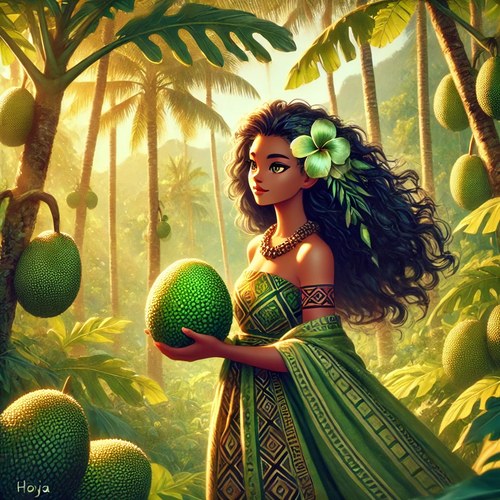
Breadfruit — the crop Moana guards
Breadfruit Moana Polynesia & Micronesia ✿ Australia & Oceania
Read story Hide story

Botanical vs. cultural: For Moana in Australia and Oceania, breadfruit is framed through the Pacific/Malesian-New Guinea breadfruit complex and Pacific tree-crop agroforestry rather than Caribbean transplantation.

Narrative: Moana's route with Breadfruit is not linear. Moana moves between cultivation, preservation, market exchange, and household teaching, revealing how Breadfruit's origin is made through practice as much as geography.

Origin: Moana's story places Breadfruit in conversation with Polynesia & Micronesia. Moana's task is to hold Breadfruit's routes, uses, and caretakers together without collapsing them into one simplified origin claim.

Notes: Breadfruit in this Oceania entry returns to Pacific tree-crop knowledge: canopy, starch, fermentation, shade, and agroforestry abundance.

Ulu (Hawaiian Breadfruit) — the crop Ulani guards
Ulu (Hawaiian Breadfruit) Ulani Hawaii & Pacific Islands ✿ Australia & Oceania
Read story Hide story

Botanical vs. cultural: Botanical/cultigen origin: Pacific breadfruit complex. Cultural significance: Hawaiian and Pacific agroforestry, abundance, shade, and starch security.

Narrative: In the Demystifying Food Origins universe, Ulani appears in breadfruit groves when Ulu (Hawaiian Breadfruit) is ready to be gathered, cooked, stored, or remembered. Their path turns Ulu (Hawaiian Breadfruit) into evidence of climate, care, and cultural decision-making.

Origin: Ulani's first scene begins with a tree canopy, a season of ripening, and the long memory of orchards or groves. The guardian is anchored in Hawaii & Pacific Islands, but the story keeps origin open enough to include migration, exchange, and local stewardship.

Notes: Ulu is abundance organized as tree canopy. It provides starch, shade, wood, mulch, and agroforestry structure.

Tahitian Lime Tangaroa French Polynesia & Pacific ✿ Australia & Oceania
Read story Hide story

Botanical vs. cultural: Botanical note: Tahitian/Persian lime is a hybrid citrus, not a simple Polynesian native crop. This entry treats French Polynesia/Pacific circulation as cultural and horticultural anchor.

Narrative: Tangaroa's story follows Tahitian Lime through reef-to-ridge gardens, where taste is inseparable from land use, season, and inherited technique. The guardian asks viewers to see Tahitian Lime as an archive of choices made across generations.

Origin: For Tangaroa, origin is not a single discovery moment. It is a chain of growers, cooks, seed keepers, and landscapes that made Tahitian Lime meaningful in relation to French Polynesia & Pacific.

Notes: Tahitian lime belongs to movement: hybrid citrus genetics, island horticulture, maritime exchange, and preservation through acidity.

Cloudberry Nukka Arctic (Canada, Alaska, Greenland) ❄ Arctic/Subarctic
Read story Hide story

Botanical vs. cultural: Botanical/cultural frame: circumboreal bog and tundra-margin berry systems; this entry aligns origin with Arctic/Subarctic harvesting.

Narrative: When Cloudberry is planted or prepared, Nukka listens for the older knowledge inside the work: soil, water, tools, labor, and memory. The narrative keeps Cloudberry connected to Arctic (Canada, Alaska, Greenland) while naming the routes that carried it elsewhere.

Origin: Nukka carries Cloudberry as a memory object: not a trophy, but a teaching tool. The story starts in Arctic (Canada, Alaska, Greenland) and moves outward through preparation, seasonality, and care.

Notes: Cloudberry appears briefly and matters intensely. Its harvest window makes timing, place, and preservation part of the crop's meaning.

Lingonberry Akiak Subarctic (Canada, Scandinavia, Russia) ❄ Arctic/Subarctic
Read story Hide story

Botanical vs. cultural: Botanical/cultural frame: circumboreal berry systems; this Arctic/Subarctic entry emphasizes cold-ground harvest, preservation, and winter food memory.

Narrative: Akiak enters the story at the moment when Lingonberry becomes more than an ingredient. In bog edges, the crop is transformed into meal, medicine, trade good, ritual object, or survival strategy.

Origin: The origin scene for Akiak is built around stewardship. Lingonberry appears through a brief harvest window, a basket, and the knowledge of where the fruit returns each season, asking the viewer to read agriculture as a practiced relationship rather than a static map label.

Notes: Lingonberry in this Arctic/Subarctic entry is a preservation berry, valued for acidity, winter storage, and short-season harvesting.

Fireweed Sesi Arctic & Boreal Forests ❄ Arctic/Subarctic
Read story Hide story

Botanical vs. cultural: Botanical/cultural frame: circumboreal disturbed-ground plant; this entry aligns origin with northern seasonal knowledge and resilience.

Narrative: Sesi's route with Fireweed is not linear. Sesi moves between cultivation, preservation, market exchange, and household teaching, revealing how Fireweed's origin is made through practice as much as geography.

Origin: Sesi's story places Fireweed in conversation with Arctic & Boreal Forests. Sesi's task is to hold Fireweed's routes, uses, and caretakers together without collapsing them into one simplified origin claim.

Notes: Fireweed grows after disturbance, turning burned or cleared ground into color, tea, greens, and seasonal signal.

Arctic Willow Nanook Arctic Tundra (North America, Europe, Siberia) ❄ Arctic/Subarctic
Read story Hide story

Botanical vs. cultural: Botanical/cultural frame: circumpolar tundra adaptation; this entry centers ecological survival more than a kitchen crop role.

Narrative: In the Demystifying Food Origins universe, Nanook appears in boreal clearings when Arctic Willow is ready to be gathered, cooked, stored, or remembered. Their path turns Arctic Willow into evidence of climate, care, and cultural decision-making.

Origin: Nanook's first scene begins with garden leaves, cooking technique, medicine, and the hand-to-hand movement of everyday food knowledge. The guardian is anchored in Arctic Tundra (North America, Europe, Siberia), but the story keeps origin open enough to include migration, exchange, and local stewardship.

Notes: Arctic willow is low, flexible, and persistent. Its lesson is not yield but adaptation to wind, cold, and short growing seasons.

Labrador Tea Anana Subarctic (Canada, Alaska, Greenland) ❄ Arctic/Subarctic
Read story Hide story

Botanical vs. cultural: Botanical/cultural frame: North American boreal and subarctic wetlands; this entry emphasizes careful tea use and northern plant knowledge.

Narrative: Anana's story follows Labrador Tea through winter stores, where taste is inseparable from land use, season, and inherited technique. The guardian asks viewers to see Labrador Tea as an archive of choices made across generations.

Origin: For Anana, origin is not a single discovery moment. It is a chain of growers, cooks, seed keepers, and landscapes that made Labrador Tea meaningful in relation to Subarctic (Canada, Alaska, Greenland).

Notes: Labrador tea should be handled with care. Its aromatic leaves connect northern medicine, wetlands, and knowledge of dosage.

Lingonberry Freja Scandinavia & Baltic Region ✜ Europe
Read story Hide story

Botanical vs. cultural: Botanical/cultural frame: northern Eurasian and boreal berry traditions; this Europe entry emphasizes Scandinavian and Baltic preserves, sauces, and winter stores.

Narrative: When Lingonberry is planted or prepared, Freja listens for the older knowledge inside the work: soil, water, tools, labor, and memory. The narrative keeps Lingonberry connected to Scandinavia & Baltic Region while naming the routes that carried it elsewhere.

Origin: Freja carries Lingonberry as a memory object: not a trophy, but a teaching tool. The story starts in Scandinavia & Baltic Region and moves outward through preparation, seasonality, and care.

Notes: Lingonberry in this European entry emphasizes Scandinavian and Baltic preserves, sauces, forest gathering, and winter pantry traditions.

Black Currant Isolde Northern & Eastern Europe ✜ Europe
Read story Hide story

Botanical vs. cultural: Botanical/cultural frame: northern Europe and northern Asia berry traditions; this entry aligns origin with preserves and winter stores.

Narrative: Isolde enters the story at the moment when Black Currant becomes more than an ingredient. In hedgerows, the crop is transformed into meal, medicine, trade good, ritual object, or survival strategy.

Origin: The origin scene for Isolde is built around stewardship. Black Currant appears through a brief harvest window, a basket, and the knowledge of where the fruit returns each season, asking the viewer to read agriculture as a practiced relationship rather than a static map label.

Notes: Black currant is winter memory in berry form: cordials, jams, syrups, and vitamin-rich preserves against cold months.

Truffle Sylvie Mediterranean (France, Italy, Spain) ✜ Europe
Read story Hide story

Botanical vs. cultural: Botanical/cultural frame: Mediterranean woodland fungi associated with oak, hazel, soil, scent, and specialized harvesting.

Narrative: Sylvie's route with Truffle is not linear. Sylvie moves between cultivation, preservation, market exchange, and household teaching, revealing how Truffle's origin is made through practice as much as geography.

Origin: Sylvie's story places Truffle in conversation with Mediterranean (France, Italy, Spain). Sylvie's task is to hold Truffle's routes, uses, and caretakers together without collapsing them into one simplified origin claim.

Notes: Truffle is soil made aromatic. Its harvest depends on trees, fungi, animals, scent, and interspecies knowledge.

Chestnut Bianca Southern Europe (Italy, Spain, Greece) ✜ Europe
Read story Hide story

Botanical vs. cultural: Botanical/cultural frame: southern European and Mediterranean mountain foodways; this entry aligns origin with flour, roasting, and winter storage.

Narrative: In the Demystifying Food Origins universe, Bianca appears in village granaries when Chestnut is ready to be gathered, cooked, stored, or remembered. Their path turns Chestnut into evidence of climate, care, and cultural decision-making.

Origin: Bianca's first scene begins with a tree canopy, a season of ripening, and the long memory of orchards or groves. The guardian is anchored in Southern Europe (Italy, Spain, Greece), but the story keeps origin open enough to include migration, exchange, and local stewardship.

Notes: Chestnut fed mountain communities through flour, roasting, and storage. It is tree grain as much as forest fruit.

Rye Edda Central & Eastern Europe (Poland, Russia, Germany) ✜ Europe
Read story Hide story

Botanical vs. cultural: Botanical history includes western Asian wild relatives and later central/eastern European staple identity; this entry centers the European cultural anchor.

Narrative: Edda's story follows Rye through orchard slopes, where taste is inseparable from land use, season, and inherited technique. The guardian asks viewers to see Rye as an archive of choices made across generations.

Origin: For Edda, origin is not a single discovery moment. It is a chain of growers, cooks, seed keepers, and landscapes that made Rye meaningful in relation to Central & Eastern Europe (Poland, Russia, Germany).

Notes: Rye grows where wheat struggles. Its breads and porridges carry the taste of colder soils and hardier farming systems.

Rowanberry Rowan British Isles & Northern Europe ✜ Europe
Read story Hide story

Botanical vs. cultural: Botanical/cultural frame: northern European and British Isles landscapes; this entry aligns origin with preserves, folk traditions, and boundary plantings.

Narrative: When Rowanberry is planted or prepared, Rowan listens for the older knowledge inside the work: soil, water, tools, labor, and memory. The narrative keeps Rowanberry connected to British Isles & Northern Europe while naming the routes that carried it elsewhere.

Origin: Rowan carries Rowanberry as a memory object: not a trophy, but a teaching tool. The story starts in British Isles & Northern Europe and moves outward through preparation, seasonality, and care.

Notes: Rowanberry sits between food, medicine, and protection. Tart preserves and folk planting traditions give the tree symbolic weight.

Dates — the crop Layla guards
Dates Layla Mesopotamia (Iraq, Iran, Saudi Arabia) ☀ Middle East
Read story Hide story

Botanical vs. cultural: Botanical/cultural frame: Middle Eastern and North African oasis cultivation; this entry aligns origin with irrigation, travel, and trade.

Narrative: Layla enters the story at the moment when Dates becomes more than an ingredient. In irrigation channels, the crop is transformed into meal, medicine, trade good, ritual object, or survival strategy.

Origin: The origin scene for Layla is built around stewardship. Dates appears through a tree canopy, a season of ripening, and the long memory of orchards or groves, asking the viewer to read agriculture as a practiced relationship rather than a static map label.

Notes: Dates are oasis calendars. Their ripening, drying, storing, and trading connect irrigation to desert mobility.

Pomegranate Jasmine Persia & Fertile Crescent ☀ Middle East
Read story Hide story

Botanical vs. cultural: Botanical/cultural frame: Persianate, Fertile Crescent, and wider southwest Asian fruit traditions; this entry aligns origin with symbolism and medicine.

Narrative: Jasmine's route with Pomegranate is not linear. Jasmine moves between cultivation, preservation, market exchange, and household teaching, revealing how Pomegranate's origin is made through practice as much as geography.

Origin: Jasmine's story places Pomegranate in conversation with Persia & Fertile Crescent. Jasmine's task is to hold Pomegranate's routes, uses, and caretakers together without collapsing them into one simplified origin claim.

Notes: Pomegranate is edible symbolism: seeds, medicine, fertility, abundance, and garden geometry held inside one fruit.

Figs Soraya Levant (Syria, Jordan, Israel, Palestine) ☀ Middle East
Read story Hide story

Botanical vs. cultural: Botanical/cultural frame: Levantine and eastern Mediterranean dry-summer agriculture; this entry aligns origin with ancient orchard and preservation systems.

Narrative: In the Demystifying Food Origins universe, Soraya appears in oasis gardens when Figs is ready to be gathered, cooked, stored, or remembered. Their path turns Figs into evidence of climate, care, and cultural decision-making.

Origin: Soraya's first scene begins with a tree canopy, a season of ripening, and the long memory of orchards or groves. The guardian is anchored in Levant (Syria, Jordan, Israel, Palestine), but the story keeps origin open enough to include migration, exchange, and local stewardship.

Notes: Figs answer dry summers with sweetness and storage. Fresh, dried, or pressed, they were ancient food security.

Barley Maha Ancient Mesopotamia (Iraq, Turkey, Iran) ☀ Middle East
Read story Hide story

Botanical vs. cultural: Botanical/cultural frame: Fertile Crescent domestication; this entry aligns origin with ancient bread, beer, animal feed, and urban food systems.

Narrative: Maha's story follows Barley through terraced groves, where taste is inseparable from land use, season, and inherited technique. The guardian asks viewers to see Barley as an archive of choices made across generations.

Origin: For Maha, origin is not a single discovery moment. It is a chain of growers, cooks, seed keepers, and landscapes that made Barley meaningful in relation to Ancient Mesopotamia (Iraq, Turkey, Iran).

Notes: Barley made early cities edible. Grain for bread, beer, and animals tied farming to settlement and administration.

Olives — the crop Zayna guards
Olives Zayna Eastern Mediterranean (Lebanon, Greece, Turkey) ☀ Middle East
Read story Hide story

Botanical vs. cultural: Botanical/cultural frame: eastern Mediterranean tree-crop systems; this entry aligns origin with terraces, oil, trade, ritual, and long-lived groves.

Narrative: When Olives is planted or prepared, Zayna listens for the older knowledge inside the work: soil, water, tools, labor, and memory. The narrative keeps Olives connected to Eastern Mediterranean (Lebanon, Greece, Turkey) while naming the routes that carried it elsewhere.

Origin: Zayna carries Olives as a memory object: not a trophy, but a teaching tool. The story starts in Eastern Mediterranean (Lebanon, Greece, Turkey) and moves outward through preparation, seasonality, and care.

Notes: Olives are time-intensive agriculture. Terraces, pruning, curing, pressing, and long-lived trees make oil a landscape practice.

Another way in

See them on the map

Each Guardian is anchored to a region of practice. The atlas places all 64 on one map, so the collection reads as geography rather than a list.

Open the atlas
Support the work