
☀ Middle East · Guardian 60 of 64
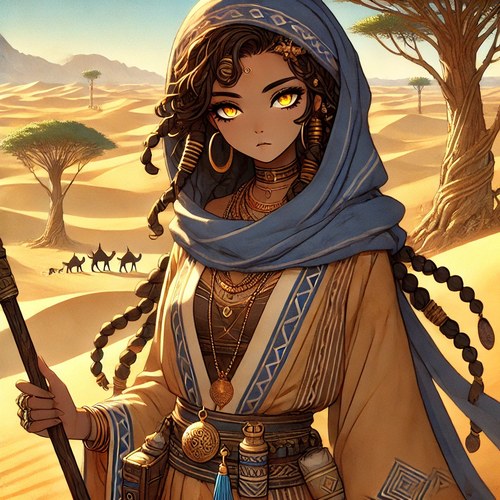
Layla
Dates — anchored in Mesopotamia (Iraq, Iran, Saudi Arabia).
- Crop
- Dates
- Cultural anchor
- Mesopotamia (Iraq, Iran, Saudi Arabia)
- Region
- Middle East
Botanical origin vs. cultural anchor
Botanical/cultural frame: Middle Eastern and North African oasis cultivation; this entry aligns origin with irrigation, travel, and trade.
Narrative
Layla enters the story at the moment when Dates becomes more than an ingredient. In irrigation channels, the crop is transformed into meal, medicine, trade good, ritual object, or survival strategy.
Origin
The origin scene for Layla is built around stewardship. Dates appears through a tree canopy, a season of ripening, and the long memory of orchards or groves, asking the viewer to read agriculture as a practiced relationship rather than a static map label.
Notes
Dates are oasis calendars. Their ripening, drying, storing, and trading connect irrigation to desert mobility.
Add to the record
Know Dates from the inside?
If this crop has a story where you are — a name it carries, a dish it belongs to, a recipe, a season, a source we should be citing — it belongs in this record. Layla’s entry, like every entry, is a living document: community knowledge is reviewed and incorporated into future editions.
When the collection launches
From Guardian to Garden
Nothing here is for sale yet. When the collection launches, 60% of proceeds will be reinvested directly into community-controlled programs — the split is already fixed by policy.