☀  Region · 5 guardians

Middle East

Fertile Crescent origins, oasis life, trade-route crops, and the roots of settled agriculture.

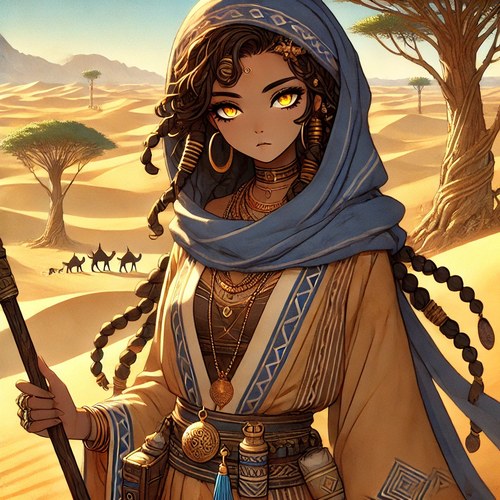
Dates Layla Mesopotamia (Iraq, Iran, Saudi Arabia)

Botanical vs. cultural: Botanical/cultural frame: Middle Eastern and North African oasis cultivation; this entry aligns origin with irrigation, travel, and trade.

Narrative: Layla enters the story at the moment when Dates becomes more than an ingredient. In irrigation channels, the crop is transformed into meal, medicine, trade good, ritual object, or survival strategy.

Origin: The origin scene for Layla is built around stewardship. Dates appears through a tree canopy, a season of ripening, and the long memory of orchards or groves, asking the viewer to read agriculture as a practiced relationship rather than a static map label.

Notes: Dates are oasis calendars. Their ripening, drying, storing, and trading connect irrigation to desert mobility.
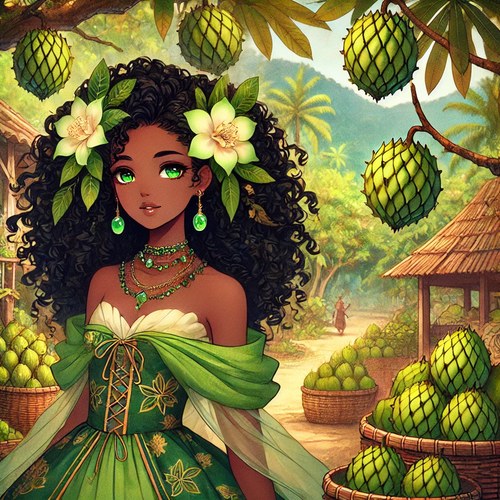
Pomegranate Jasmine Persia & Fertile Crescent

Botanical vs. cultural: Botanical/cultural frame: Persianate, Fertile Crescent, and wider southwest Asian fruit traditions; this entry aligns origin with symbolism and medicine.

Narrative: Jasmine's route with Pomegranate is not linear. Jasmine moves between cultivation, preservation, market exchange, and household teaching, revealing how Pomegranate's origin is made through practice as much as geography.

Origin: Jasmine's story places Pomegranate in conversation with Persia & Fertile Crescent. Jasmine's task is to hold Pomegranate's routes, uses, and caretakers together without collapsing them into one simplified origin claim.

Notes: Pomegranate is edible symbolism: seeds, medicine, fertility, abundance, and garden geometry held inside one fruit.

Figs Soraya Levant (Syria, Jordan, Israel, Palestine)

Botanical vs. cultural: Botanical/cultural frame: Levantine and eastern Mediterranean dry-summer agriculture; this entry aligns origin with ancient orchard and preservation systems.

Narrative: In the Demystifying Food Origins universe, Soraya appears in oasis gardens when Figs is ready to be gathered, cooked, stored, or remembered. Their path turns Figs into evidence of climate, care, and cultural decision-making.

Origin: Soraya's first scene begins with a tree canopy, a season of ripening, and the long memory of orchards or groves. The guardian is anchored in Levant (Syria, Jordan, Israel, Palestine), but the story keeps origin open enough to include migration, exchange, and local stewardship.

Notes: Figs answer dry summers with sweetness and storage. Fresh, dried, or pressed, they were ancient food security.

Barley Maha Ancient Mesopotamia (Iraq, Turkey, Iran)

Botanical vs. cultural: Botanical/cultural frame: Fertile Crescent domestication; this entry aligns origin with ancient bread, beer, animal feed, and urban food systems.

Narrative: Maha's story follows Barley through terraced groves, where taste is inseparable from land use, season, and inherited technique. The guardian asks viewers to see Barley as an archive of choices made across generations.

Origin: For Maha, origin is not a single discovery moment. It is a chain of growers, cooks, seed keepers, and landscapes that made Barley meaningful in relation to Ancient Mesopotamia (Iraq, Turkey, Iran).

Notes: Barley made early cities edible. Grain for bread, beer, and animals tied farming to settlement and administration.

Olives Zayna Eastern Mediterranean (Lebanon, Greece, Turkey)

Botanical vs. cultural: Botanical/cultural frame: eastern Mediterranean tree-crop systems; this entry aligns origin with terraces, oil, trade, ritual, and long-lived groves.

Narrative: When Olives is planted or prepared, Zayna listens for the older knowledge inside the work: soil, water, tools, labor, and memory. The narrative keeps Olives connected to Eastern Mediterranean (Lebanon, Greece, Turkey) while naming the routes that carried it elsewhere.

Origin: Zayna carries Olives as a memory object: not a trophy, but a teaching tool. The story starts in Eastern Mediterranean (Lebanon, Greece, Turkey) and moves outward through preparation, seasonality, and care.

Notes: Olives are time-intensive agriculture. Terraces, pruning, curing, pressing, and long-lived trees make oil a landscape practice.

Every purchase loops back

From Guardian to Garden

60% of proceeds are reinvested directly into community-controlled programs — including the farming and garden work these guardians celebrate.

Back to all regions
Support the work