◈  Region · 9 guardians

South America & Mesoamerica

Domestication heartlands — maize, cacao, tomato, potato — and the civilizations they fed.

Tomato Xochitl Mesoamerica (Mexico, Guatemala)

Botanical vs. cultural: Botanical ancestry: western South America; domestication and culinary transformation are strongly tied to Mesoamerica.

Narrative: Xochitl's route with Tomato is not linear. Xochitl moves between cultivation, preservation, market exchange, and household teaching, revealing how Tomato's origin is made through practice as much as geography.

Origin: Xochitl's story places Tomato in conversation with Mesoamerica (Mexico, Guatemala). Xochitl's task is to hold Tomato's routes, uses, and caretakers together without collapsing them into one simplified origin claim.

Notes: Tomato's global fame can obscure its Indigenous American roots. This entry keeps the crop tied to local domestication before worldwide adoption.
Maize (Corn) Itzel Mesoamerica (Mexico, Guatemala)

Botanical vs. cultural: Botanical/cultural frame: Mesoamerican domestication; this entry aligns origin with Indigenous agriculture, cosmology, and food engineering.

Narrative: In the Demystifying Food Origins universe, Itzel appears in forest edges when Maize (Corn) is ready to be gathered, cooked, stored, or remembered. Their path turns Maize (Corn) into evidence of climate, care, and cultural decision-making.

Origin: Itzel's first scene begins with seed selection, storage, grinding, and the calendar of planting and harvest. The guardian is anchored in Mesoamerica (Mexico, Guatemala), but the story keeps origin open enough to include migration, exchange, and local stewardship.

Notes: Maize is agricultural design: seed selection, companion planting, storage, grinding, nixtamalization, and cosmology braided into one crop.

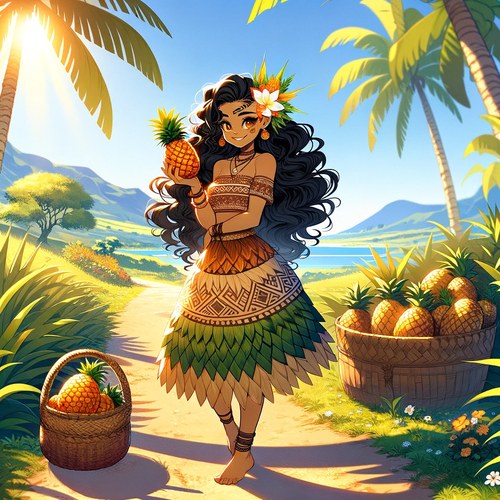
Pineapple Nayara South America (Paraguay, Brazil)

Botanical vs. cultural: Botanical/cultural frame: tropical South America; this entry centers Indigenous cultivation and later global movement.

Narrative: Nayara's story follows Pineapple through highland terraces, where taste is inseparable from land use, season, and inherited technique. The guardian asks viewers to see Pineapple as an archive of choices made across generations.

Origin: For Nayara, origin is not a single discovery moment. It is a chain of growers, cooks, seed keepers, and landscapes that made Pineapple meaningful in relation to South America (Paraguay, Brazil).

Notes: Pineapple holds Indigenous American cultivation and later colonial spectacle in the same fruit. Its sweetness should not erase its agricultural origins.

Cacao (Chocolate) Yara Amazon Basin (Ecuador, Peru, Brazil)

Botanical vs. cultural: Botanical origin: tropical Americas, especially Amazonian lineages; cultural significance includes Indigenous ritual, exchange, medicine, and later global chocolate economies.

Narrative: When Cacao (Chocolate) is planted or prepared, Yara listens for the older knowledge inside the work: soil, water, tools, labor, and memory. The narrative keeps Cacao (Chocolate) connected to Amazon Basin (Ecuador, Peru, Brazil) while naming the routes that carried it elsewhere.

Origin: Yara carries Cacao (Chocolate) as a memory object: not a trophy, but a teaching tool. The story starts in Amazon Basin (Ecuador, Peru, Brazil) and moves outward through preparation, seasonality, and care.

Notes: Cacao is not simply chocolate. It is forest tree, fermented seed, ritual drink, labor history, currency, medicine, and global commodity.

Quinoa Ama Andean Region (Peru, Bolivia, Ecuador)

Botanical vs. cultural: Botanical/cultural frame: Andean highland agriculture; this entry aligns origin with altitude adaptation, resilience, and nutrition.

Narrative: Ama enters the story at the moment when Quinoa becomes more than an ingredient. In river gardens, the crop is transformed into meal, medicine, trade good, ritual object, or survival strategy.

Origin: The origin scene for Ama is built around stewardship. Quinoa appears through seed selection, storage, grinding, and the calendar of planting and harvest, asking the viewer to read agriculture as a practiced relationship rather than a static map label.

Notes: Quinoa is a highland survivor. It adapts to altitude, salinity, and cold nights while carrying Andean knowledge into contemporary food debates.

Avocado Maya Mesoamerica (Mexico, Guatemala)

Botanical vs. cultural: Botanical/cultural frame: Mesoamerican cultivation and tree-crop selection; this entry aligns origin and cultural anchor.

Narrative: Maya's route with Avocado is not linear. Maya moves between cultivation, preservation, market exchange, and household teaching, revealing how Avocado's origin is made through practice as much as geography.

Origin: Maya's story places Avocado in conversation with Mesoamerica (Mexico, Guatemala). Maya's task is to hold Avocado's routes, uses, and caretakers together without collapsing them into one simplified origin claim.

Notes: Avocado is tree selection over generations. Its creamy flesh records Indigenous horticulture before modern branding transformed it into a global commodity.

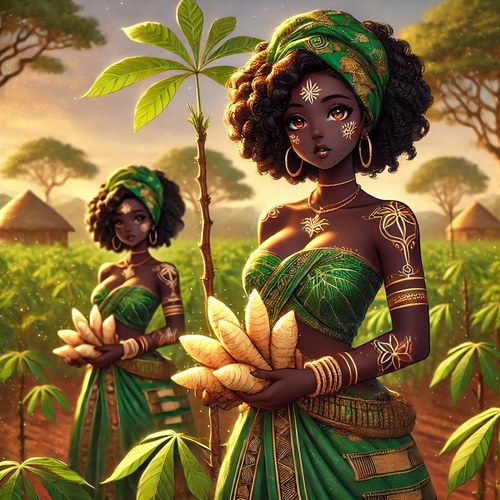
Cassava Luna South America (Brazil, Venezuela, Colombia)

Botanical vs. cultural: For Luna in South America and Mesoamerica, cassava/yuca/manioc remains closest to its Indigenous American botanical and agricultural context, rooted in western South America to Brazil.

Narrative: In the Demystifying Food Origins universe, Luna appears in milpa fields when Cassava is ready to be gathered, cooked, stored, or remembered. Their path turns Cassava into evidence of climate, care, and cultural decision-making.

Origin: Luna's first scene begins with soil, careful processing, and the patient work of turning underground food into community sustenance. The guardian is anchored in South America (Brazil, Venezuela, Colombia), but the story keeps origin open enough to include migration, exchange, and local stewardship.

Notes: Cassava in this South American entry emphasizes domestication, detoxification, flour, bread, and the agricultural intelligence of yuca/manioc processing.

Papaya Camila South America (Brazil, Paraguay, Colombia)

Botanical vs. cultural: Botanical framing spans tropical America; this entry treats South America as the regional story anchor while noting broader American cultivation histories.

Narrative: Camila's story follows Papaya through forest edges, where taste is inseparable from land use, season, and inherited technique. The guardian asks viewers to see Papaya as an archive of choices made across generations.

Origin: For Camila, origin is not a single discovery moment. It is a chain of growers, cooks, seed keepers, and landscapes that made Papaya meaningful in relation to South America (Brazil, Paraguay, Colombia).

Notes: Papaya links sweetness and digestion. Its fruit, seeds, latex, and leaves have been read through medicine, household gardens, and tropical orchards.

Passion Fruit Valeria South America (Peru, Brazil, Argentina)

Botanical vs. cultural: Botanical/cultural frame: South American vine crop histories; this entry aligns origin with garden, mission, market, and medicinal movement.

Narrative: When Passion Fruit is planted or prepared, Valeria listens for the older knowledge inside the work: soil, water, tools, labor, and memory. The narrative keeps Passion Fruit connected to South America (Peru, Brazil, Argentina) while naming the routes that carried it elsewhere.

Origin: Valeria carries Passion Fruit as a memory object: not a trophy, but a teaching tool. The story starts in South America (Peru, Brazil, Argentina) and moves outward through preparation, seasonality, and care.

Notes: Passion fruit is a vine of movement: trellis, flower, pulp, mission naming, and market circulation all shape its story.

Every purchase loops back

From Guardian to Garden

60% of proceeds are reinvested directly into community-controlled programs — including the farming and garden work these guardians celebrate.

Back to all regions
Support the work